
How Many Porta Potties Do I Need for OSHA Compliance?
Start with the headcount, not the site size. OSHA 1926.51(c)(1) sets the baseline at 1 toilet for 20 or fewer workers on a construction crew, then adds a toilet seat and urinal per 40 workers once you pass 20, and per 50 once you hit 200 or more. A 15 person framing crew in Saint George needs one standard porta potty rental. A 60 person crew needs closer to two seats plus urinals. Our how many porta potties do I need guide walks the math for mixed shifts. Water matters too: OSHA 1926.51(a)(1) requires an adequate supply of potable water at every jobsite, which is why crews often pair toilets with a handwashing station rental rather than assume a jobsite trailer covers it. If your crew works with paints, coatings or insecticides, OSHA 1926.51(f)(1) kicks in separately and requires washing facilities for that contaminant exposure specifically, not general hand cleanup. Ag operations follow a different rule: OSHA 1928.110 sets field sanitation at one facility per 20 hand-labor employees, reachable within a quarter mile walk, which matters for growers near farm and agricultural restrooms work outside Saint George proper.
What Does Cal OSHA Portable Toilet Requirements Change for Contractors Working Utah Jobs?
Nothing, directly. Cal OSHA governs California jobsites, and Saint George sits in Utah, so federal OSHA 1926.51(c)(1) is the rule that applies here, not the California variant. Contractors who split crews between Utah and California sites sometimes assume the ratios differ; they don't by much, but the citation you'd reference on a Utah jobsite inspection is the federal standard, not Cal OSHA's. If you're bidding construction site services across state lines, keep the two straight in your safety plan so an inspector sees the right code cited. For general industry workplaces rather than construction, the ratio comes from 29 CFR 1910.141(c)(1)(i) instead, which is a separate table entirely and shouldn't be mixed with the construction numbers on a job like a roll-off dumpster rental site cleanout crew.
What Are the OSHA Portable Toilet Distance Requirements?
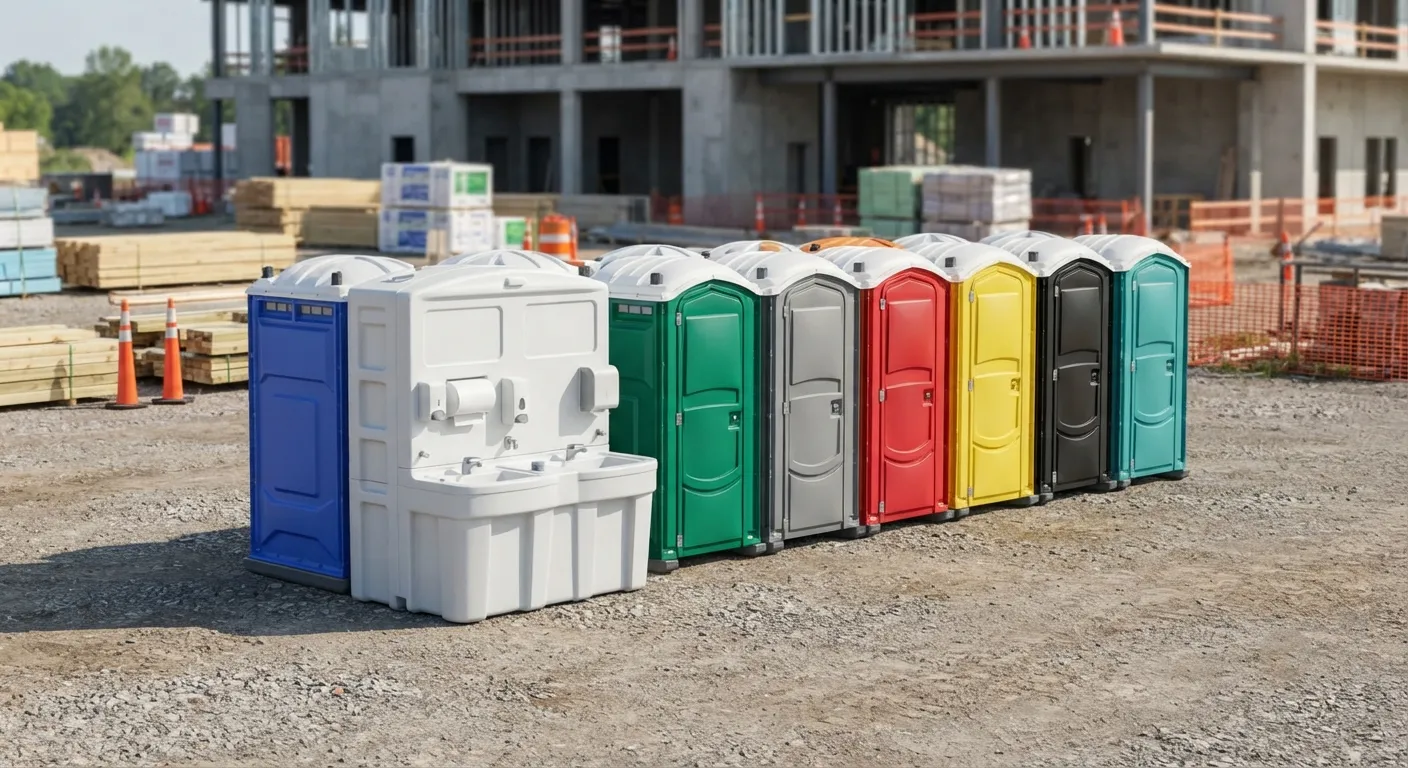
OSHA doesn't set a hard walking distance for construction toilets the way it does for agriculture. The quarter mile figure under OSHA 1928.110 applies specifically to field sanitation for hand-labor ag crews, not general construction. For a building site in Saint George, placement is more about practical access: units need a stable, level surface, and our porta potty placement guide covers clearance for roll-off dumpster rental trucks and delivery trucks alike, which need about 60 feet of straight clearance behind them to drop or pull a container. ADA Standards section 213.2 requires that where single-user units are clustered, at least 5 percent, and never fewer than one, must be accessible, and that accessible unit needs a 36 inch clear route per ADA Standards section 403.5.1 and a 32 inch door per ADA Standards section 404.2.3. Our ADA accessible porta potty page has the full spec sheet if you're bidding a public project.
Do I Need an ADA Compliant Unit on My Jobsite?
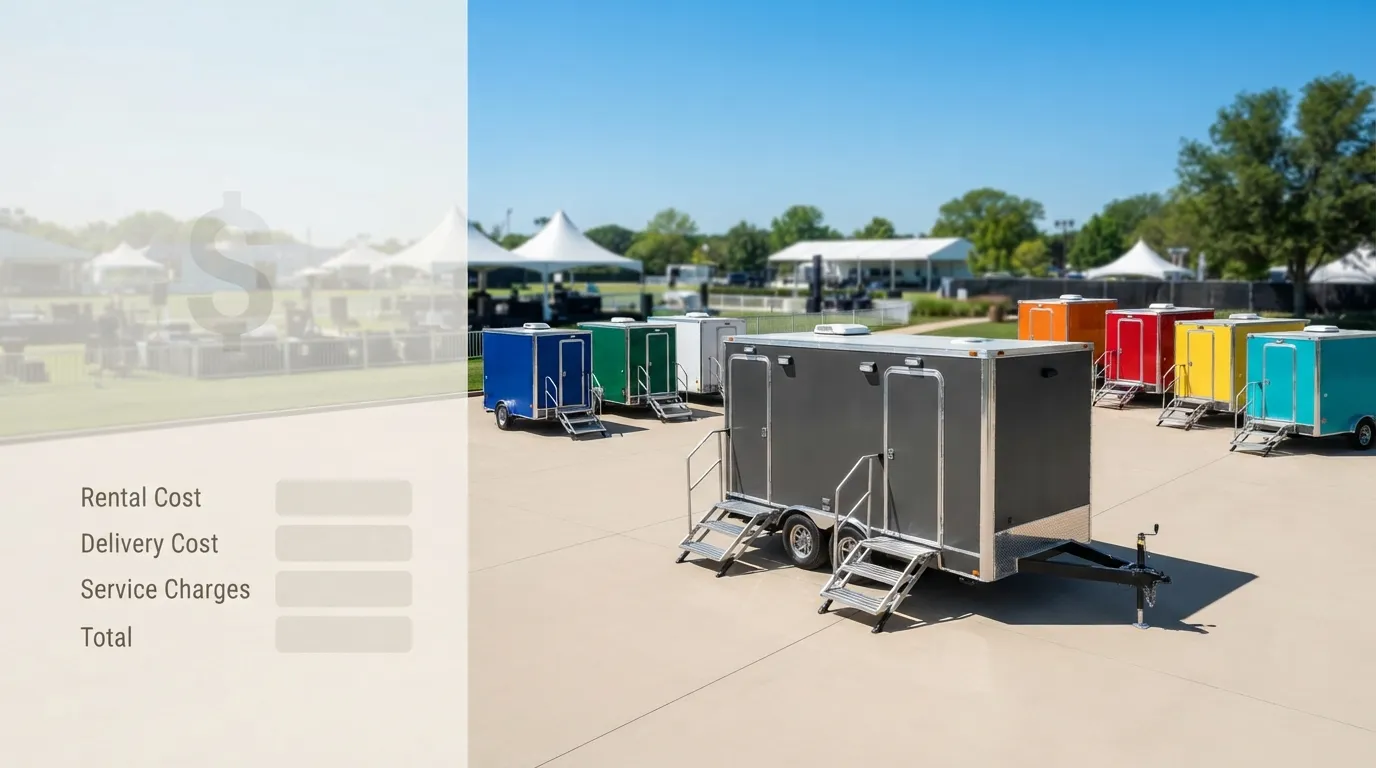
If you're clustering multiple standard units, yes, at least one has to meet ADA Standards section 213.2. A single unit on a small residential job usually doesn't trigger this, but public works, events and larger commercial sites in Saint George typically do. The accessible unit needs a 60 inch turning circle per ADA Standards section 304.3.1 and operable parts usable with one hand under ADA Standards section 309.4. Check our ADA restroom requirements page before you order, and price it against a standard porta potty rental so you know the delta going in.
| unit | day | week | month |
|---|---|---|---|
| standard | $100-$350 | $130-$500 | $125-$325 |
| ada | $200-$400 | $240-$400 | not offered |
| deluxe | $85-$1,200 | $150-$290 | not offered |
Prices reflect measured ranges across the market; a porta potty rental cost breakdown has more detail, and monthly porta potty rental pricing runs separately from weekly.
Crews working near Washington, 7.8 miles northeast of Saint George, or Hurricane, 18.1 miles east, still fall under the same federal ratios; distance from the city doesn't change the OSHA math, only the delivery routing. If your project also needs a storage container rental or temporary fence rental alongside sanitation, bundling delivery often saves a trip charge. Housekeeping under OSHA 1926.25 and waste chute rules under OSHA 1926.252 apply separately from toilet counts, so don't conflate a clean site with a compliant one; they're two different inspection line items.
How many porta potties does OSHA require per worker?
OSHA 1926.51(c)(1) requires 1 toilet for 20 or fewer construction workers, then 1 toilet seat and 1 urinal per 40 workers up to 200, and per 50 workers beyond that. Crews near 15-20 people need just one unit; larger crews need to recalculate as headcount grows.
Does OSHA require handwashing stations on construction sites?
Only in specific contexts. OSHA 1926.51(f)(1) requires washing facilities where workers apply paints, coatings, herbicides or insecticides. General potable water access falls under OSHA 1926.51(a)(1) instead, which is broader and applies to nearly every site.
Can one porta potty cover a whole small crew?
Yes, for 20 workers or fewer under OSHA 1926.51(c)(1). Once you add a 21st worker, the rule adds a toilet seat and urinal per 40 additional workers, so recheck your count before final delivery.
Is a Cal OSHA portable toilet rule different from federal OSHA?
For Saint George jobsites, federal OSHA 1926.51(c)(1) applies, not Cal OSHA, since that's a California-specific standard. Contractors working both states should keep the citations separate in their site safety documentation to avoid confusion during inspection.
What about ADA units for events, not construction?
Same standard applies: ADA Standards section 213.2 requires at least one accessible unit in a cluster. Event organizers renting for a festival or wedding should check our event restroom rental page for planning ratios beyond the OSHA minimum.
Next step
Get a delivery date
Tell us the address, the dates and the headcount. We size the order and confirm the route.