
How Often Does a Septic Tank Need Cleaning?
Three to five years is the baseline for a typical 1,000 gallon residential tank, but that number moves. A household of six fills a tank faster than a couple living alone. Garbage disposals push more solids into the tank, which shortens the interval. Older tanks with cracked baffles or root intrusion need more frequent checks too, similar to how a standard porta potty rental needs more frequent service under heavy use. If you run a home business with extra bathroom traffic, or you host guests often, lean toward the 3 year mark rather than 5, the same logic that applies when sizing units for a wedding restroom rental or other high-traffic event. Saint George Porta Pros can pump on a set schedule so you never have to guess, and if you are dealing with an overflow right now, emergency septic service gets someone out fast. For general upkeep, septic tank cleaning covers the routine work between pumpings, and our septic pumping service page breaks down what a visit involves.
What Signs Mean My Septic Tank Needs Pumping Now?
Slow drains in every fixture at once, gurgling pipes, standing water over the drain field, or a sewage smell near the tank lid are the classic warnings. Any one of these on its own might be nothing, much like a single slow-draining porta john rental unit might just need routine attention. Two or more together usually mean the tank is full or the drain field is struggling. Homeowners in Saint George dealing with heavier clay soil sometimes see drain field trouble show up before the tank itself is technically full, so do not wait for every symptom to appear before calling, and if the wait involves construction crews on site, check our construction site services page for interim sanitation. Our septic tank warning signs page goes through each one in detail. If you are not sure whether what you are seeing is normal, it costs nothing to ask. Grease buildup is a separate issue: a grease interceptor is pumped once fats, oils, grease and solids reach 25 percent of the liquid depth, which is a different maintenance clock than a residential tank. Commercial kitchens should check our grease trap pumping page for that schedule.
Is Septic Tank Pumping Different From Cleaning?
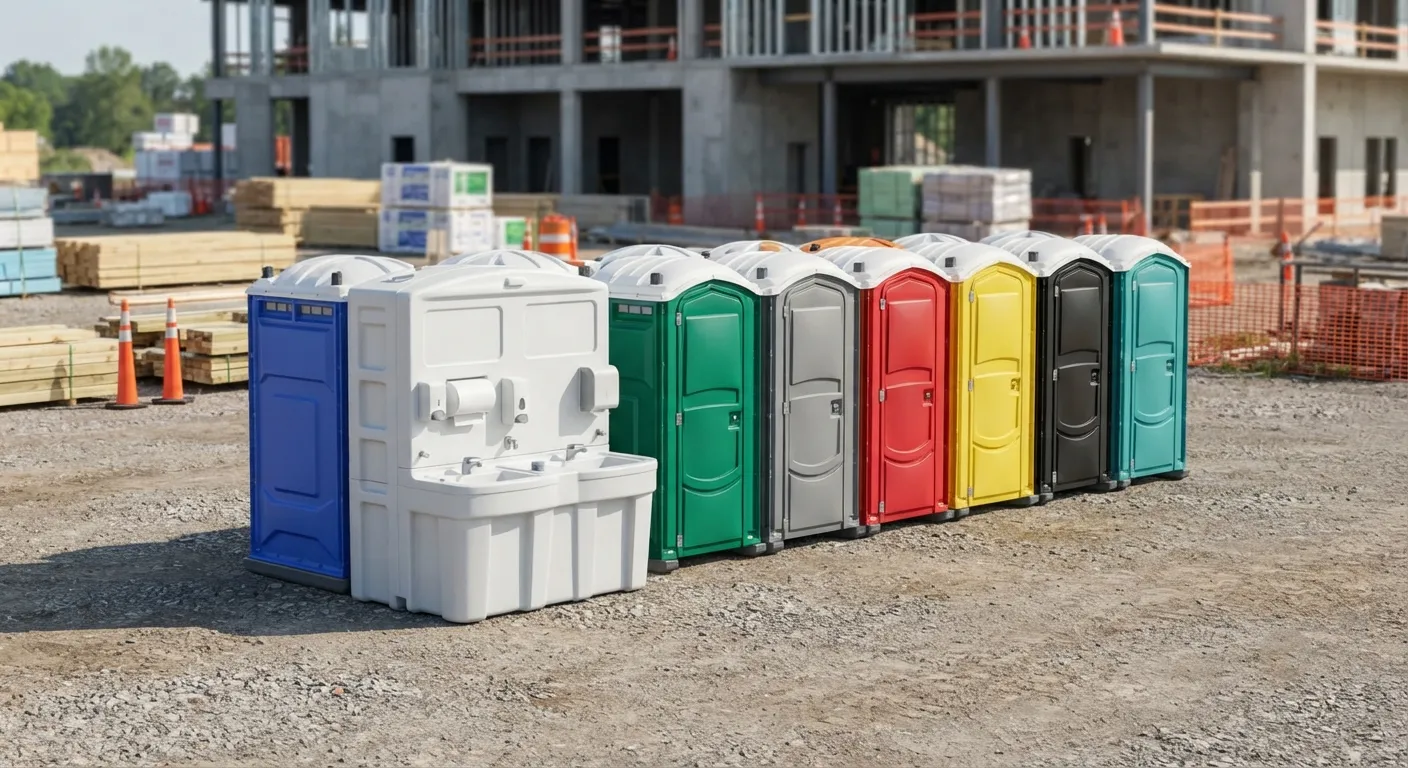
Pumping removes the liquid and sludge from the tank. Cleaning can mean the same thing, or it can mean a fuller service that checks baffles, inlet and outlet pipes, and the general condition of the tank while it is empty. Most companies use the terms loosely, so ask what is included before you book, the same way you would ask what is included with a deluxe flushable porta potty rental. A basic pump-out gets the waste out, the same way a portable sink rental covers basic handwashing without extra add-ons. A cleaning visit gets the waste out and gives you a look at whether the tank has cracks, root damage, or a failing baffle that pumping alone will not fix. For pricing on either, see septic tank pumping cost, which lays out what a typical visit runs in the Saint George area. Homes near Washington, about 7.8 miles northeast of Saint George, and Santa Clara, roughly 7.0 miles northwest, use the same tank types and the same pumping intervals, so distance from the city center does not change the schedule.
What Does a Septic Pump-Out Cost in Saint George?
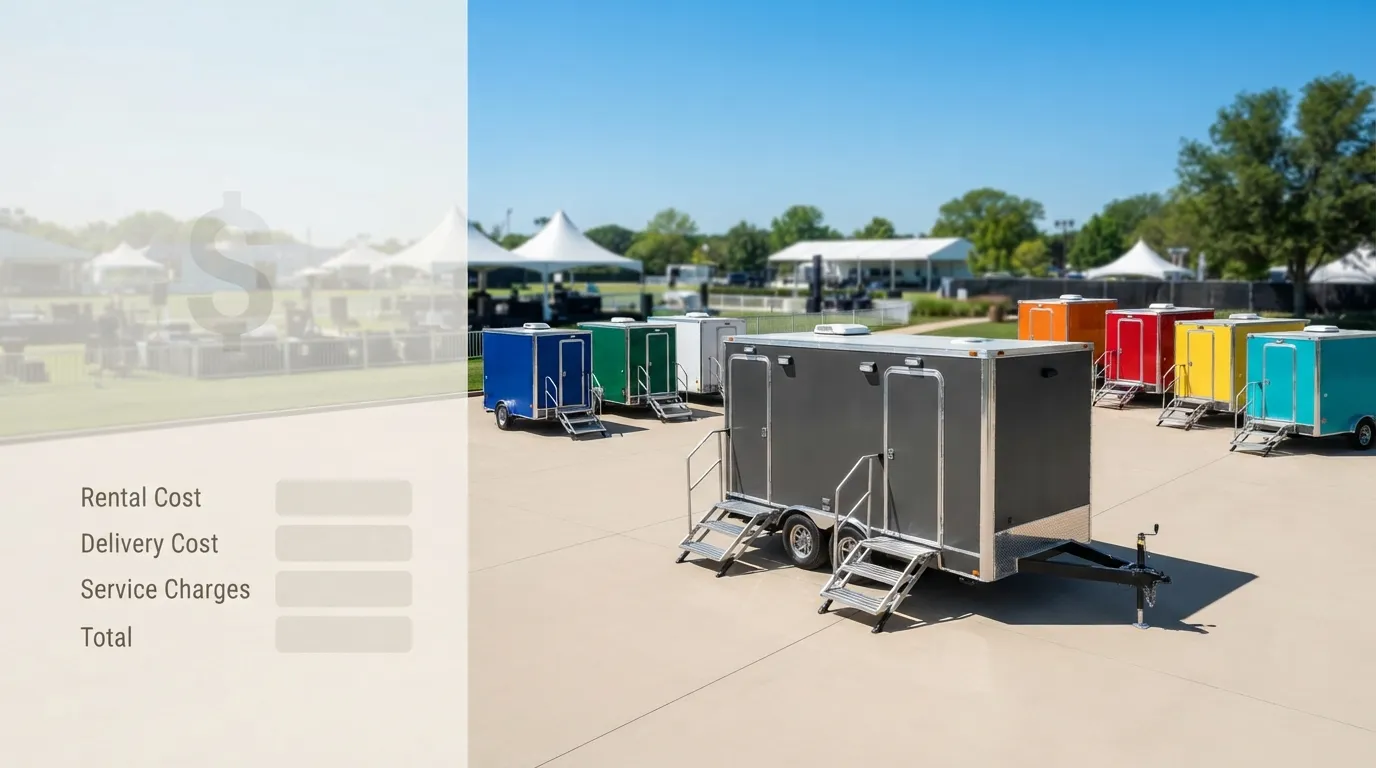
| service | duration | low | typical | high |
|---|---|---|---|---|
| septic pumping | day rate | $150 | $250 | $300 |
| septic pumping | weekend | $50 | $100 | $150 |
Most residential pump-outs are a single day-rate visit. Weekend service costs less per call because it is usually a shorter job, not because the work is smaller, similar to how a porta potty rental per day rate differs from a weekly one. If your tank has not been serviced in over 5 years, expect the higher end of that day rate since the crew may need more time to locate and access the lid, much like locating the right unit takes more planning on our monthly porta potty rental page. Ask about a holding tank rental if your system needs to be taken offline during repair work, and check how often to pump a septic tank style scheduling with our office so the next visit does not sneak up on you.
How do I know my tank size?
Most homes built in Saint George have a 1,000 gallon tank, though older properties sometimes run smaller. Your property record or a past service receipt usually lists it, the same kind of detail covered on our porta potty rental checklist before a job starts. If you cannot find either, Saint George Porta Pros can measure it during the first visit and note it for next time.
Can I pump my own septic tank?
Technically yes, but it is not worth the risk. Sludge and effluent contain pathogens, and DIY pumping usually means no proper disposal site. A licensed service like Saint George Porta Pros handles disposal correctly and checks the tank condition while it is open, the same way we handle setup and teardown for a temporary fence rental around a job site.
Does a garbage disposal change my pumping schedule?
Yes. Disposals add solids to the tank faster than normal use, which shortens the 3 to 5 year window toward the 3 year end. Homes that use a disposal daily should plan on the shorter interval and watch for early warning signs between visits, much like a busy job site needs closer monitoring under OSHA portable toilet requirements.
What happens if I never pump my septic tank?
Solids build up until they overflow into the drain field, which can clog the field permanently. Repairing or replacing a failed drain field costs far more than routine pumping ever does, so it pays to plan ahead the way you would with a roll-off dumpster rental before a big cleanup. Watch for the signs on our septic tank warning signs page before it gets to that point.
Is septic pumping different for a business than a house?
Yes, mainly due to volume. Commercial properties with kitchens need grease trap pumping on a separate schedule tied to grease buildup, not years. High traffic commercial restrooms may also need portable backup during service; see portable restroom rental for options during that downtime.
Next step
Get a delivery date
Tell us the address, the dates and the headcount. We size the order and confirm the route.