
Where should a porta potty go on a job site or in a yard?
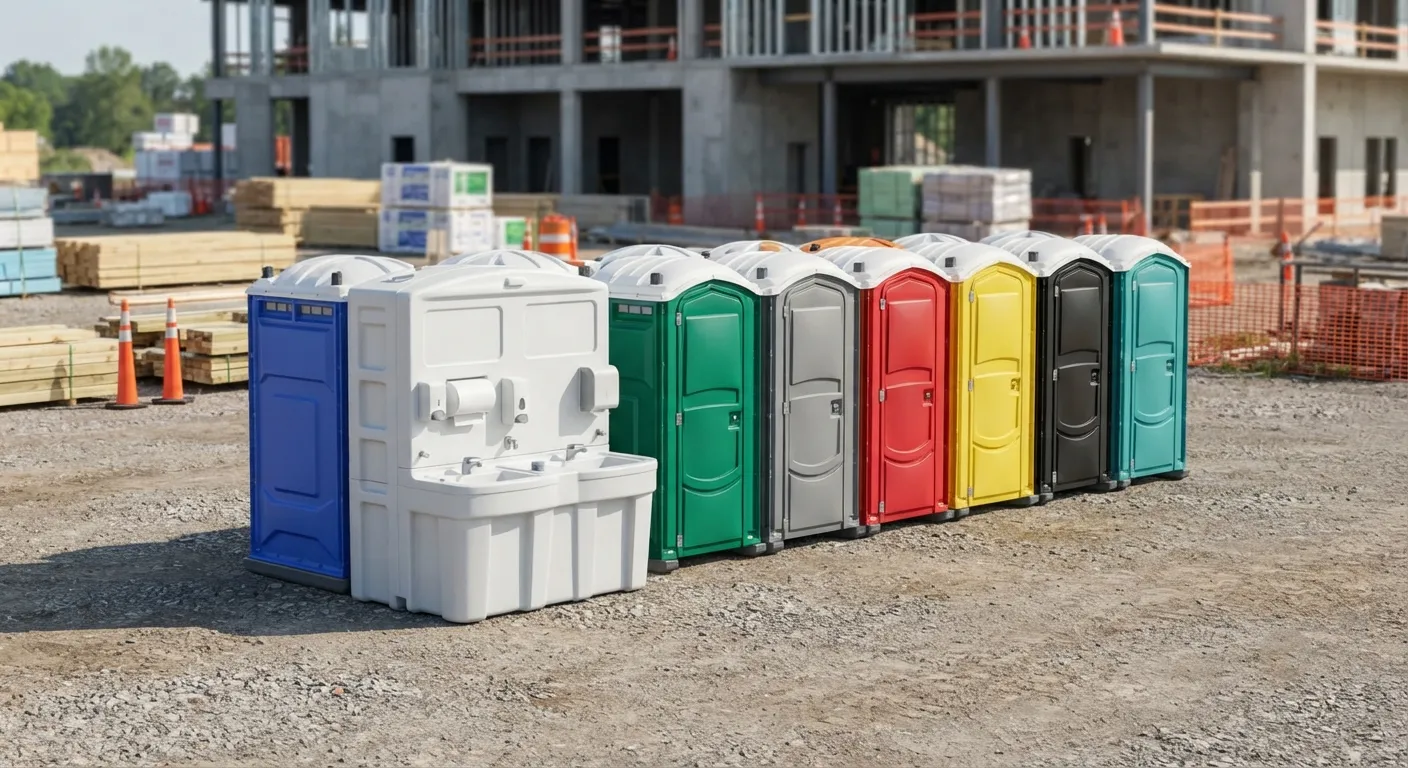
Pick level, firm ground first. ADA Standards section 302.1 calls for surfaces that are stable and slip resistant, and that rule applies whether you're setting a unit for a crew in Saint George or for a backyard wedding. Keep the unit within reach of a service truck; our drivers need clear approach and a path that does not cross a slope or soft dirt. Avoid storm drains, sprinkler heads, and low spots that pool after rain. If you're placing near a curb or the public right of way, that placement needs confirming with the city before delivery, since we cannot state a specific Saint George ordinance here. For a construction lot, pair your standard porta potty rental placement with your temporary fence rental layout so the unit sits inside the secured perimeter, not outside it. Homeowners doing a remodel should check our home renovation porta potty page for driveway and setback tips specific to residential lots.
How far from a building or event does a unit need to sit?
Ten to twenty feet from entrances and windows is a workable rule of thumb, far enough that odor and foot traffic stay clear of doorways. Keep units off downhill grades that drain toward a building foundation. Where you're clustering several units for an event restroom rental or a festival restroom rental, ADA Standards section 213.2 requires that at least 5 percent of a cluster, and never fewer than one, be an accessible unit, so plan the accessible unit closest to the main path. That unit needs a 60 inch turning circle per ADA Standards section 304.3.1, and a clear route at least 36 inches wide under ADA Standards section 403.5.1. Check our ADA accessible porta potty page for the full spec sheet, and see general layout math on how many porta potties do I need before you finalize the map.
Do dumpsters and storage containers need a placement permit in Saint George?
Dumpster placement permit rules vary by whether the unit sits on a driveway or in the street, so a dumpster placement permit cost is not something we can quote generically. Confirm with the city before delivery if the dumpster or a storage container rental will touch the curb, sidewalk, or right of way. A roll-off dumpster rental needs about 60 feet of straight clearance behind the truck for delivery and pickup, so measure your driveway or lot access before booking. Check dumpster permit requirements and dumpster sizes and dimensions for footprint planning, and if you're staging a jobsite office alongside it, our mobile office trailer rental page covers replacement doors and hardware fixes if a trailer arrives with damage. Fencing off the dumpster pad with chain link temporary fence keeps foot traffic away from the swing radius during pickup.
What about septic tanks, grease traps, and handwashing stations?
Septic and grease equipment placement follows the same logic: truck access first. A residential septic tank is typically pumped every 3 to 5 years depending on tank size and household use, and our septic pumping service page walks through scheduling. A grease interceptor gets pumped once fats, oils, grease and solids reach 25 percent of the liquid depth, covered in more detail on grease trap pumping. If you're comparing service intervals against a placerville septic pumping service or another out of state provider, know that the pump truck needs the same straight-line access a dumpster truck does, so keep that path clear year round. Handwashing stations belong near food service or paint and coating work; OSHA 1926.51(f)(1) requires washing facilities where employees apply paints, coatings, herbicides or insecticides. For general water access, OSHA 1926.51(a)(1) calls for an adequate supply of potable water on site. If your ozark river portable sink replacement parts search is about a leaking pump or foot pedal, our crews carry spares and can swap parts during a scheduled service stop; see handwashing station rental and portable sink rental for unit specs.
How many porta potties does a construction site need?
OSHA 1926.51(c) sets the ratio at one toilet for 20 workers or fewer, then one toilet and one urinal per 40 workers up to 200, then one per 50 above that. Match your crew size against that table before ordering, and see OSHA portable toilet requirements for the full breakdown.
Can a porta potty sit on gravel or dirt?
Yes, as long as the surface is level and firm enough to keep the unit from tipping or sinking. Avoid loose sand or fresh fill. Our delivery drivers in Saint George will flag a bad pad and suggest a better spot on site before setup.
Does a portable restroom need to be near an accessible parking space?
Not required by rule, but it helps foot traffic. What matters is the accessible unit itself: a 32 inch clear door opening under ADA Standards section 404.2.3 and a 60 inch turning circle inside or beside the unit.
How much room does a roll-off dumpster need for delivery?
Plan on about 60 feet of straight clearance behind the truck so the driver can back in and drop the container without hitting a fence, tree, or parked car. Tight driveways in Ivins or Santa Clara often need a walk-through beforehand.
What happens if a unit is placed in the public right of way without approval?
That is a city matter, and rules differ by street and zone, so confirm placement with the city before delivery. We will not guess at a fee or code we have not verified, and neither should you.
Next step
Get a delivery date
Tell us the address, the dates and the headcount. We size the order and confirm the route.