
How Do Porta Potties Work?
Underneath the seat sits a holding tank, about 60 to 70 gallons on a standard porta potty rental. When you use it, waste drops straight into that tank instead of a sewer line. There's a chemical charge in there already, usually blue, that breaks down solid waste and keeps the smell down between service visits. There's no water tank, no flush handle on the basic unit, and no connection to a septic line or city sewer. The unit itself stands about 92 inches tall and measures roughly 44 by 48 inches on the ground, small enough to fit on most job sites or backyards without much site prep. A vent stack in the back lets gas escape upward instead of building up inside. Saint George Porta Pros services units on a route schedule, and the industry standard from ANSI/PSAI Z4.3 sets one visit per week as the baseline for up to 10 users over a 40 hour week. Busier sites need more frequent stops, which is something worth discussing when you're figuring out how many porta potties you need for a job in Saint George. For anyone comparing options, the portable toilet rental and porta john rental pages break down the same mechanics in more depth.
How Do Flushable Porta Potties Work?
A flushable unit adds a small onboard freshwater tank and a foot pump or hand pump that pushes a splash of water into the bowl after use, rinsing waste down into the holding tank below. It's not a real flush like a house toilet, no pressurized line, but it moves waste out of sight and cuts odor more than a standard chemical-only unit. The deluxe flushable porta potty also usually includes a sink with its own small water reservoir, foot-pump soap dispenser, and sometimes interior lighting. These run higher than a standard unit, and pricing depends on rental length. Weddings and corporate events around Saint George often step up to this tier because guests notice the difference. If you're planning an outdoor ceremony, the wedding restroom rental page has more on matching unit type to guest count, and the event restroom rental hub covers timing and delivery windows.
How Does a Portable Sink Work?
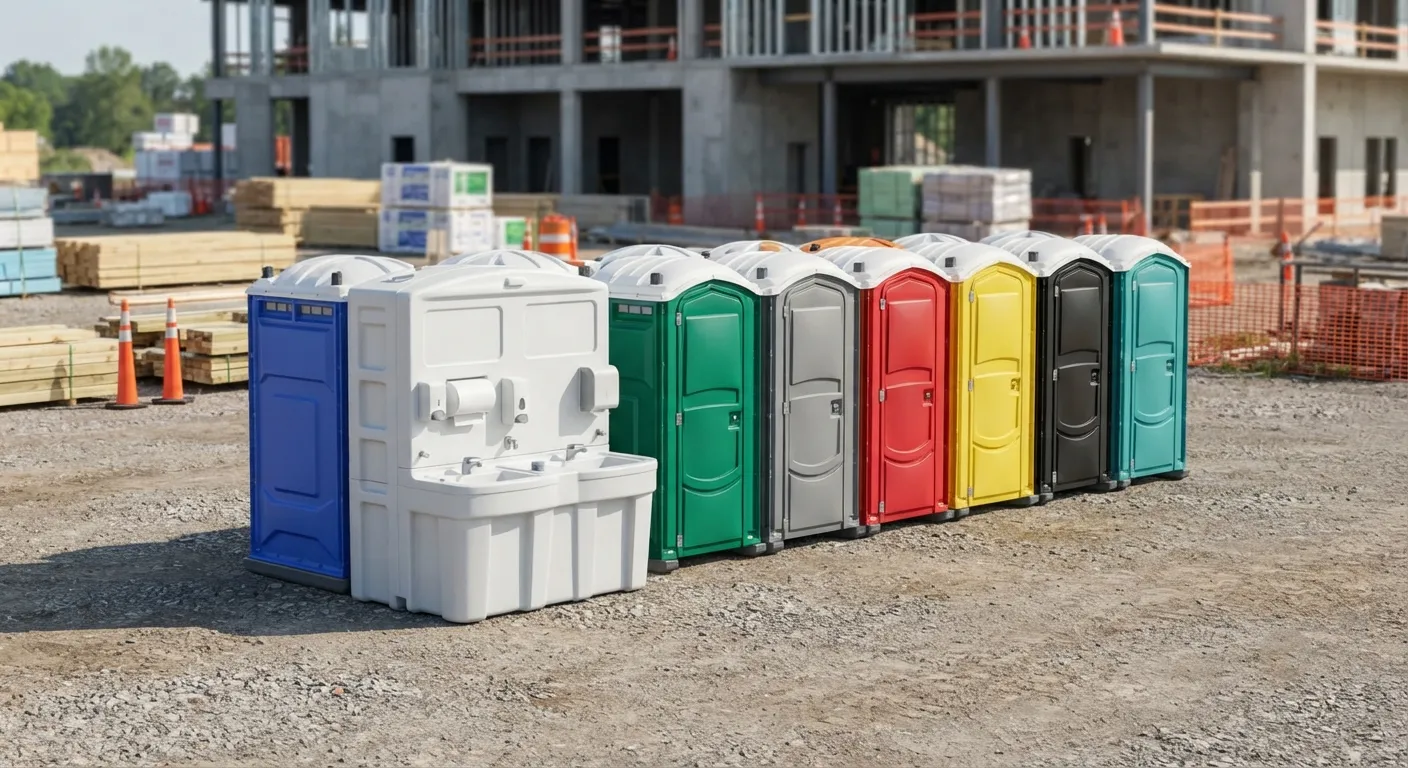
A portable sink runs on its own enclosed system: a freshwater tank feeds the faucet, usually by a foot pump so hands never touch a handle, and wastewater drains into a separate holding tank underneath instead of into the ground. Soap sits in a dispenser mounted on the unit. This matters because 29 CFR 1910.141(d)(2) requires washing facilities to have soap and towels or a hand-drying device. Hand sanitizer alone doesn't satisfy that. On paint, coating, herbicide or insecticide jobs, OSHA 1926.51(f)(1) specifically calls for washing facilities, not just sanitizer stations. Construction crews around Saint George handling that kind of work usually pair a handwashing station rental with their toilet units for that reason. The portable sink rental page covers tank sizes and service frequency, and if a project only needs sanitizer instead of full wash stations, the hand sanitizer station rental page explains where that's appropriate and where it isn't under handwashing requirements.
Why Does a Construction Worker Running to a Porta Potty Matter for Job Sites?
It matters because OSHA counts on it. 1926.51(c) sets toilet ratios for construction sites: one facility for 20 workers or fewer, then one toilet seat and one urinal per 40 workers as the crew grows past that, dropping to one per 50 once you hit 200 workers or more. A crew short on units means longer walks and longer lines, which slows the job down more than people expect. Saint George Porta Pros sets up placement so a construction worker isn't sprinting across an active site to reach the nearest unit, keeping units near breakrooms or staging areas without blocking equipment paths. The construction site services page covers full-site planning, and osha portable toilet requirements walks through the ratio table in more detail. For general layout thinking, the porta potty placement guide is worth a look before delivery day.
Comparing Unit Types
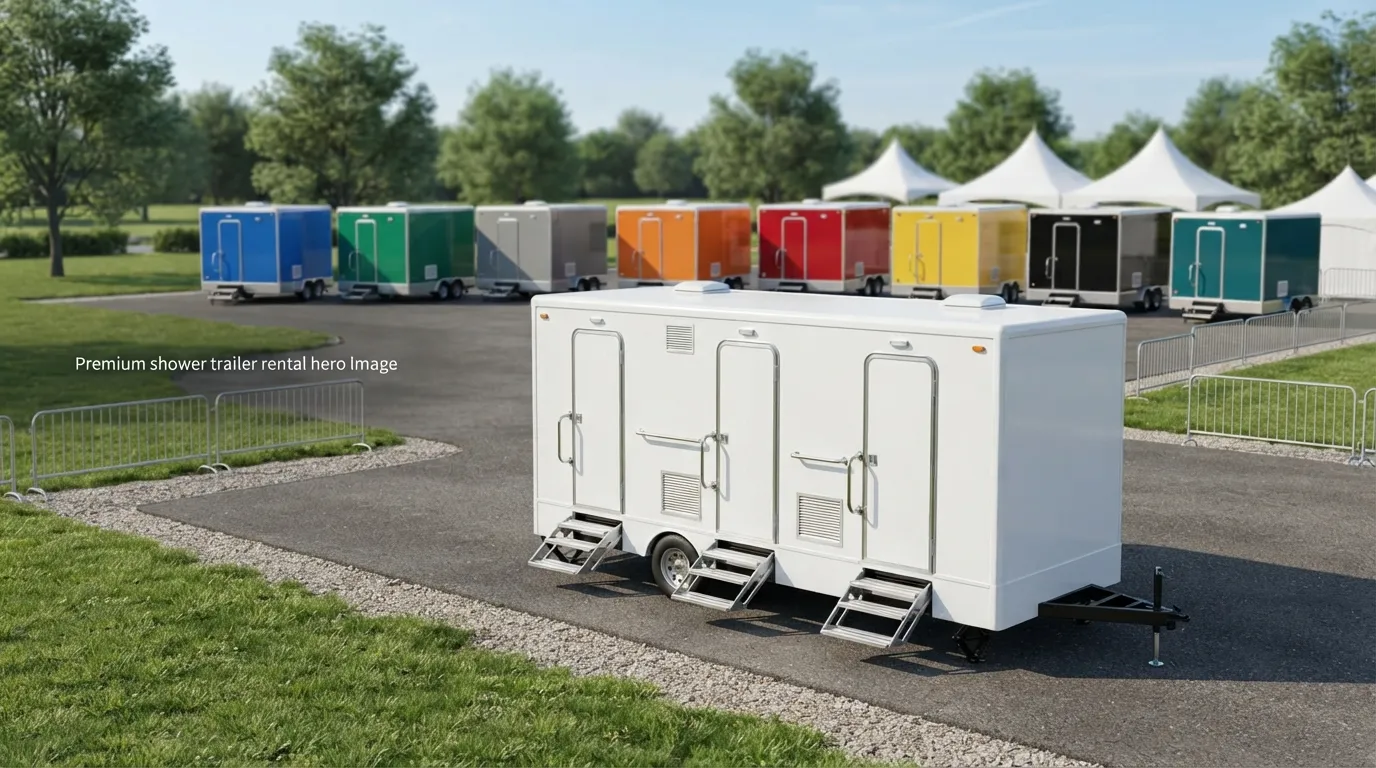
| Unit | Best For | Rental Period |
|---|---|---|
| Standard | Construction crews, general use | Day, week, or month |
| Deluxe flushable | Weddings, events, VIP use | Day or week |
| ADA accessible | Job sites and events needing compliant access | Day or week |
Pricing and duration options are covered on the porta potty rental cost and monthly porta potty rental pages.
How do camping porta potties work?
Camping units work the same as standard job-site units: sealed tank, chemical deodorizer, no plumbing needed. They're just smaller and easier to move, sometimes with a lighter frame for remote drop-off. Saint George sits near camping areas where power and water aren't available, so these units get serviced on the same route schedule as job sites. See camping porta potty for delivery specifics.
What chemicals go in a porta potty?
A blue deodorizing chemical, usually a formaldehyde-free biocide blend today, breaks down waste and controls odor between services. Saint George Porta Pros recharges it at every service visit rather than leaving it to run out mid-rental.
Do porta potties smell if serviced regularly?
Not much. Odor control depends on the chemical charge and how often the tank gets pumped. A unit serviced weekly, per the ANSI/PSAI Z4.3 baseline, stays far more tolerable than one left three or four weeks. See do porta potties smell for more.
How often are units cleaned on a job site?
Most standard rentals get serviced weekly, though high-traffic sites need two or three visits. Saint George Porta Pros adjusts frequency based on worker count and site conditions. Full detail is on how often are porta potties cleaned.
Are portable toilets ADA accessible?
Some are. ADA Standards 213.2 requires that where single-user units are clustered, at least 5 percent, and never fewer than one, must be accessible, with a 60 inch turning circle under 304.3.1. Check ada accessible porta potty for specs.
Next step
Get a delivery date
Tell us the address, the dates and the headcount. We size the order and confirm the route.